ICSI, or intracytoplasmic sperm injection, is used to improve fertilisation rates, particularly when sperm quality is a concern. By directly injecting a single sperm into an egg, ICSI bypasses many of the natural barriers to fertilisation. While it often increases the likelihood of fertilisation, results can vary depending on individual factors.
If you are exploring IVF treatment, you may be wondering whether ICSI can improve your chances of fertilisation. This is a common and important question, especially if you have been told there may be challenges with sperm quality or previous fertilisation outcomes. Wanting to understand how much a specific technique can make a difference is a natural part of the decision-making process.
You might be comparing standard IVF with ICSI or trying to make sense of recommendations from your care team. In some cases, patients are advised to use ICSI without fully understanding why, which can lead to uncertainty. Having clear, evidence-based information can help you feel more confident about your treatment plan.
The key point is that ICSI is not used in every IVF cycle but is highly effective in the right situations. Understanding when and how it improves fertilisation rates can help you set realistic expectations and feel more in control of your journey.
ICSI stands for intracytoplasmic sperm injection. It is a specialised technique used during IVF to assist with fertilisation.
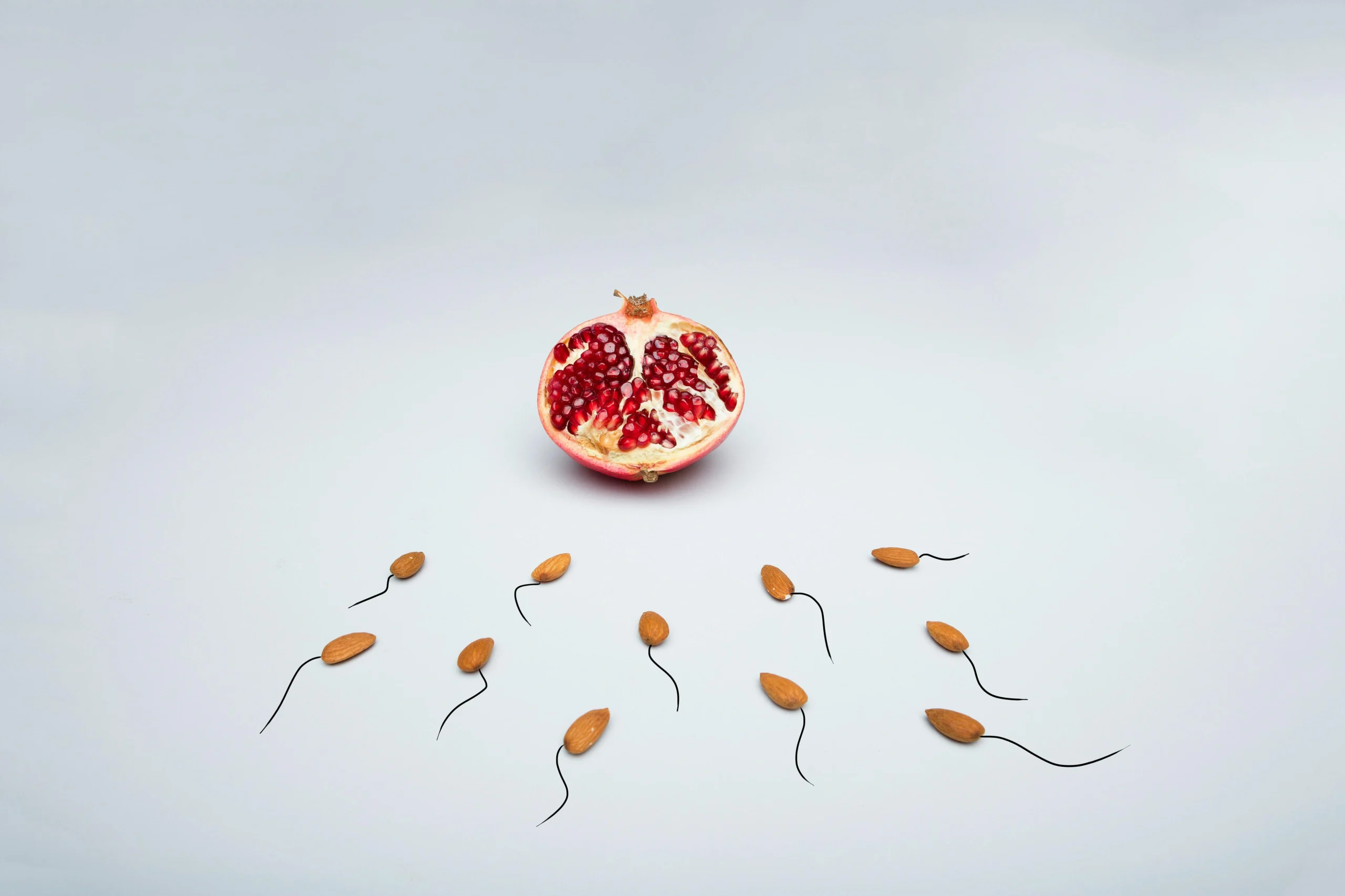
In standard IVF, eggs and sperm are combined in a laboratory dish, and fertilisation happens naturally. With ICSI, a single sperm is selected and injected directly into the egg using a fine needle.
ICSI is often recommended when there are known or suspected issues with fertilisation. These may include:
ICSI reduces the reliance on sperm function by manually assisting fertilisation. This can significantly improve outcomes in specific situations.
Fertilisation rate is the percentage of eggs that become fertilised after sperm is introduced.
Sperm must:
If any of these steps fail, fertilisation does not occur.
The simple answer is yes, in many cases, ICSI improves fertilisation rates compared to standard IVF.
ICSI bypasses several critical steps required in natural fertilisation. By injecting the sperm directly into the egg, it eliminates issues related to:
ICSI is particularly beneficial in cases of:
In the right clinical context, ICSI can significantly increase the chances that eggs will fertilise successfully.
While ICSI is highly effective, it does not always lead to better outcomes in every situation.
Using ICSI in all cases does not necessarily improve overall success rates and may not be needed for every patient.
Even with ICSI, fertilisation depends on several important factors.
Egg health plays a major role in whether fertilisation occurs after sperm injection.
Although ICSI bypasses movement issues, underlying genetic or structural problems may still affect outcomes.
After injection, the egg must activate and begin the fertilisation process.
The skill and experience of the embryology team can influence results.
ICSI improves the chances of fertilisation but does not guarantee it.
Fertilisation rates with ICSI are generally high.
It is normal for some eggs not to fertilise, even in successful cycles.
If fertilisation rates are lower than expected, your care team will review possible reasons.
Low fertilisation does not necessarily mean future cycles will have the same outcome.
While ICSI is widely used, there are considerations to keep in mind.
Your specialist will recommend ICSI only when it is likely to provide a meaningful benefit.
Deciding whether to use ICSI can feel like an important and sometimes overwhelming choice. You may be balancing medical advice, personal preferences, and the desire to improve your chances of success.
It is normal to want the most effective option available. At the same time, understanding that no technique guarantees a specific outcome can help reduce pressure and unrealistic expectations.
Taking time to ask questions and understand your options can make the process feel more manageable and supportive.
If you are considering IVF or have concerns about fertilisation, a consultation can provide clarity.
Consider speaking with a specialist if:
For example, if you are exploring treatment through a fertility clinic, you may find that clinics assess your individual case carefully before recommending ICSI.
ICSI improves fertilisation rates in specific cases, but not universally.
Fertilisation is not guaranteed, even with direct sperm injection.
Many patients achieve successful fertilisation with standard IVF.
If fertilisation occurs, the embryos are monitored for development.
Fertilisation is just one step in the overall IVF process.
ICSI is a powerful tool that can significantly improve fertilisation rates in the right circumstances. However, it is not a one-size-fits-all solution, and its benefits depend on your individual diagnosis and treatment goals. Understanding when ICSI is most effective can help you make informed and confident decisions.
Your fertility journey is shaped by many factors, and each step plays an important role in the overall outcome. With the right guidance, you can move forward with realistic expectations and a clear understanding of your options.
No. It improves the odds in the situations it is designed for, and that is a different claim.
ICSI removes one specific obstacle: it puts the sperm inside the egg, so sperm that could not reach or penetrate an egg on its own no longer has to. Everything that happens after that point is biology we cannot inject our way past.
Fertilisation can still fail because:
Any clinic promising you a fertilisation rate is promising you something it cannot control. Ours does not, and our prices page says the same thing in plainer terms: no laboratory technique can guarantee fertilisation, and we will not tell you otherwise.
It is a hard result to hear, and it does not mean the next cycle will go the same way.
We would look at egg and sperm quality together, review whether the stimulation protocol should change, consider whether assisted egg activation is worth trying, and decide whether any further testing would tell us something we do not already know. Every result is reviewed by a Fertility Doctor and explained to you by a person.
ICSI often improves fertilisation rates, especially in cases of male factor infertility. However, it does not guarantee better outcomes in every situation. Success depends on multiple factors, including egg quality.
ICSI is not necessarily better for all patients. It is most beneficial when there are known fertilisation challenges. Your specialist will recommend the best approach for your situation.
A typical fertilisation rate is around 70–80% of mature eggs. This can vary depending on individual factors. It is normal for some eggs not to fertilise.
Yes, fertilisation can still fail even with ICSI. Biological factors such as egg quality and sperm health play a role. The procedure improves chances but does not eliminate all risks.
Not everyone needs ICSI as part of IVF treatment. It is usually recommended based on specific medical indications. Your fertility specialist will guide this decision.
If you are unsure whether ICSI is right for you, speaking with a fertility specialist can help you understand your options more clearly. A personalised consultation can provide insight into your specific situation and what treatment may involve.
Veya Fertility offers compassionate, evidence-based care tailored to your needs. The team is committed to helping you make informed decisions with confidence and clarity. If you feel ready to take the next step, you can book a consultation to explore your options in a supportive environment.
Next step: read about ICSI at Veya Fertility.